New Builds & Duplexes
Painting works planned around construction stages, surface readiness and agreed finishes.
Professional Painting Contractors in Sydney
Painting works organised around your build. Led on site by Shawn — a hands-on painting contractor who combines nearly 20 years of painting and decorating experience with many years teaching project and construction management.
You need a painting contractor who can assess the work, understand the build sequence and take responsibility for completion.
At First Choice Painting, Shawn personally assesses the work, contributes to the painting and takes responsibility for quality and completion. He organises additional painters to suit the project and coordinates the work around the agreed programme, site conditions and finish requirements. Builders, homeowners and renovation professionals deal directly with the person responsible.
Explore our delivery approachInterior and exterior painting, coordinated around the practical needs of your home or construction site.
Painting works planned around construction stages, surface readiness and agreed finishes.
Walls, ceilings and detailed finishing, with protection, repairs and preparation built into the scope.
Surface preparation and coating selection suited to the substrate and exposure.
Careful preparation, appropriate primers and finish application for residential timberwork.
Returns coordinated with carpentry, electrical works and plasterboard installation, subject to site readiness and agreed scheduling.
Filling, sanding, surface repairs, spray and roller application selected for the work.
Good workmanship is a series of informed decisions: what needs repairing, which primer suits the substrate, how much preparation is required and how to achieve the agreed appearance.
Brush, roller and combined application methods are selected to suit the coating, surface, access and occupied conditions. The focus stays on coverage, film build, texture and detailing.
The tools serve the work. The workmanship defines the result.
Short site clips showing roller technique and application stages. Select a video to play.
A painter engaged by Shawn demonstrates conventional roller application of a wall topcoat.
Manual rolling to distribute the coating and control the surface texture.
A supply stage used where site conditions suit. The coating is then worked by hand with a roller; this clip shows the supply stage only.
The method is selected for the surface, coating and site conditions. These clips show work in progress.
The brand on the tin and the number of coats tell only part of the story. Preparation, application and site judgement determine what is actually delivered.
Compare the work. Then compare the quotation.
A lower price can reflect a smaller scope, simpler requirements or efficient working methods. It can also reflect omissions. A higher price should be supported by clear inclusions and relevant evidence.
Misses, inadequate coverage, failure or damage.
Runs, heavy marks and untidy boundaries.
Patches, overlaps and unfinished details.
Agreed scope with a straightforward finish.
Controlled, consistent preparation and detailing.
Additional preparation and attention to appearance.
Specified finish with samples and detailed requirements.
The colours describe the work, not the price or the person. Red, orange and yellow are not service packages.
Start with a category below. Compare Poor, Basic and Good descriptions for each checkpoint.
These are practical comparisons, not formal acceptance standards or an exhaustive specification. Existing surface conditions and the agreed scope must be considered.
Previous colour, primer or patches show through.
Mostly covered, with uneven areas.
Sufficient coverage and an even colour once dry.
Corners, edges or recesses are missed.
Main surfaces covered; small areas overlooked.
Edges and difficult areas checked and completed.
Rough, uneven thick and thin patches.
Normal texture with some inconsistency.
Even texture suited to paint and surface; rolled finishes retain some texture.
Heavy marks and build-up on trims.
Visible but relatively restrained marks.
Even laying-off with minimal, consistent brush marks.
Bands of different colour or sheen.
Some overlaps remain noticeable.
Wet edges and stopping points managed for consistency.
Patches are noticeably shinier or duller.
Repairs remain obvious from an angle.
Repairs suitably sealed and coated to minimise sheen differences.
Drips, ridges or hanging runs remain.
Small local runs left uncorrected.
Paint loading controlled and runs corrected.
Uneven boundaries or paint on adjoining surfaces.
Generally clear but inconsistent lines.
Clean, controlled lines following the actual junction.
Fixing holes remain visible.
Filled holes leave depressions or raised spots.
Appropriate filling, drying and sanding achieve a reasonably flush result.
Repairs stand proud or have obvious edges.
Some steps remain around repairs.
Edges blend within the agreed preparation scope.
Coarse scratches or fibres remain under paint.
Isolated rough areas remain.
Suitable abrasives used and sanding dust removed.
Necessary gaps left open or excess sealant spread.
Filled joints look uneven.
Appropriate joints treated neatly; drainage and necessary open joints retained.
Coating over dust, grease or debris.
Quick cleaning leaves contamination.
Surfaces appropriately cleaned before coating.
Painting over loose or peeling paint.
Only obvious loose areas removed.
Unsound paint removed and exposed areas treated. Removing old texture needs a separate allowance.
Necessary primer omitted.
Primer used without considering substrate differences.
Primer or sealer suited to substrate and coating system.
Recoating before the surface is ready.
Readiness judged mainly by touch.
Product instructions, temperature, humidity and drying conditions considered.
Coating excessively thin or thick.
Uneven film build across the work.
Consistent application at the recommended spreading rate; two coats properly applied.
Paint contamination or damage to finishes.
Protection provided; cleaning incomplete.
Finished surfaces protected and left clean without new damage.
Noticeable differences on the same surface.
Main areas match but repairs stand out.
Materials, colour and sheen checked to minimise batch and touch-up differences.
Misses, defects and rubbish left behind.
Brief inspection misses details.
Agreed work inspected, application defects corrected and relevant touch-up information supplied.
Vague claims about good-quality paint.
Brand named; range and use unclear.
Product range, sheen and suitable use identified.
One product used indiscriminately or priming omitted.
Substrate differences overlooked.
Plasterboard, bare timber, powdery or staining surfaces treated appropriately.
Products unsuitable for exposure or movement.
Compatibility and exposure overlooked.
Products suit location, movement and coating; curing time allowed.
Any available brush used.
Water- and solvent-based coatings distinguished.
Filaments suited to coating; appropriate natural or synthetic options selected.
One brush forced into every task.
Different shapes without clear purpose.
Angled, flat and short-handled brushes selected for the task.
Brush size makes broad or narrow work difficult.
Control or efficiency suffers.
Width suits the trim, work area and control required.
Too soft for control or too stiff for the finish.
Choice based mainly on habit.
Stiffness suits coating, cutting-in and finish.
Poor holding, shedding or uneven release.
Frequent reloading and limited control.
Consistent holding and release while maintaining shape; shape alone does not determine performance.
Poor reach on texture or excessive texture on smooth work.
One roller used for most tasks.
Fabric and nap suited to coating, surface and finish.
Hardened rollers or damaged brushes and frames.
Residue affects cleaned tools.
Tools clean, serviceable and maintained during work.
Light surface loading quickly runs dry.
Frequent but uneven loading.
Paint worked evenly into fabric without excessive dripping.
Too little paint left on the surface.
Variable film build.
Loading and pressure distribute enough paint; reload before the roller runs dry.
Random strokes leave overlaps and uneven texture.
Coverage achieved but finishing inconsistent.
Controlled distribution and laying-off with workable wet edges.
Quantity appears inconsistent with claimed coverage.
Consumption estimated without records.
Area, spreading rate, absorption and remaining paint considered together; quantity alone proves no quality level.
Searching and unnecessary trips interrupt work.
Avoidable interruptions remain.
Tools, materials and access organised; progress measured by completed work.
Visible misses and defects left untreated.
Corrections only after someone points them out.
Painter checks and corrects their own work before handover.
One ladder used regardless of the task.
Access arranged reactively.
Ground-based tools, platforms or scaffolding selected for task and conditions.
Unstable support or uneven platforms accepted.
Equipment assembled without complete checks.
Supports, locks, level, loads and routes checked; only permitted equipment combinations used.
Overreaching and repeated awkward moves.
Frequent interruptions from positioning.
Access allows controlled application without excessive reaching.
Grit or dragged tools damage flooring.
Contact points overlooked.
Clean feet, suitable pads that preserve stability and planned material placement.
Nearby property and exposure overlooked.
Protection added after problems arise.
Wind and exposure assessed; brush or roller used when spraying is unsuitable.
Heat, moisture and exposure not checked.
Sun avoided without a planned sequence.
Orientation, surface temperature, weather and product requirements guide sequence.
Poor light hides defects and misses.
Light available but poorly positioned.
Suitable lighting assists work; side light helps diagnosis and finished work is also assessed under normal conditions.
Incomplete protection added reactively.
Main areas covered; junctions missed.
Protection and removal planned for finishes, fittings and surrounding property.
Distance, speed and angle vary excessively.
Inconsistent overlaps and edges.
When used, tip, pressure, distance, movement and overlap suit coating and equipment.
One method used in every situation.
Several methods without a clear purpose.
Methods selected for coverage, texture and control; back-rolling where appropriate.
Painting starts before surfaces are ready.
Dependencies not checked.
Plastering, carpentry, glazing, flooring and trims coordinated to reduce rework.
No clear scope or completion control.
Constant follow-up needed.
Materials, access and stages planned; progress communicated and work checked.
Every door treated the same.
Tools and sequence not consistently adjusted.
Flush, panelled, glazed and louvred doors assessed for material and coating requirements.
Random order leaves build-up and overlaps.
General sequence with inconsistent junctions.
Sequence suits the door and coating; adjoining sections workable and corners free of accumulation.
Uncontrolled loading and brush direction.
Coverage achieved; marks and sheen vary.
Deliberate loading and laying-off adapted to the door and coating, rather than one universal stroke pattern.
Experience has value when it produces consistent results: better preparation, earlier problem recognition, suitable access, trade coordination and fewer avoidable corrections.
The stages below are illustrative, not qualifications or guarantees. Years in the trade alone do not prove competence.
Selected areas and a limited, clearly defined scope. Necessary preparation, suitable products, safe access and agreed workmanship remain included.
A complete agreed area with defined preparation, coating system, protection and completion requirements.
Additional preparation and detailing, with selected products, sample panels and agreed appearance requirements where specified.
Service levels are defined for the actual property, not universal price bands.
Coat count does not describe preparation, suitable priming, spreading rate or application control. Two coats need to be two properly applied coats, with product instructions and actual drying conditions considered.
No. Products within a brand have different purposes. Ask which product range, sheen and primer are proposed, and whether they suit the substrate.
Check the surfaces included, repairs and exclusions, preparation, coating requirements, protection, access, return visits and final completion. Compare the same work and finish expectations.
Yes. A smaller maintenance scope or simpler finish may suit the property. The necessary preparation and agreed workmanship should still be clear. Ask what you are receiving for the price.
Yes. Painting visits can be planned around plasterboard, carpentry, glazing, flooring and trim installation. Site readiness, access, outstanding work and agreed timing are reviewed before each stage.
Shawn brings practical painting skills and project management experience to each stage. He remains directly involved in the work, coordinates painting resources and takes responsibility from the initial assessment through to handover.
Review scope, quotation, surfaces, access, colours and dependencies before mobilisation.
Plan preparation, priming, ceilings, walls and timberwork around trade progress and surface readiness.
Check preparation, coating compatibility, coverage and finishing as each stage progresses.
Inspect completed works, address agreed touch-ups and communicate handover.
Shawn combines hands-on workmanship with the organisation needed to deliver staged painting works. Additional painters are coordinated to suit the scope and programme, with Shawn maintaining direct oversight.
Our project communication is structured around the information a builder needs to keep work moving.
Where the painting works stand and what is ready.
What has been completed and checked.
The next painting stage and its prerequisites.
Trade readiness, access, weather and moisture conditions.
Colours, finishes and selections requiring confirmation.
Shawn personally oversees scope, painting methods, coordination, quality checks and handover.
Residential interior, timber and exterior detailing, photographed on site.
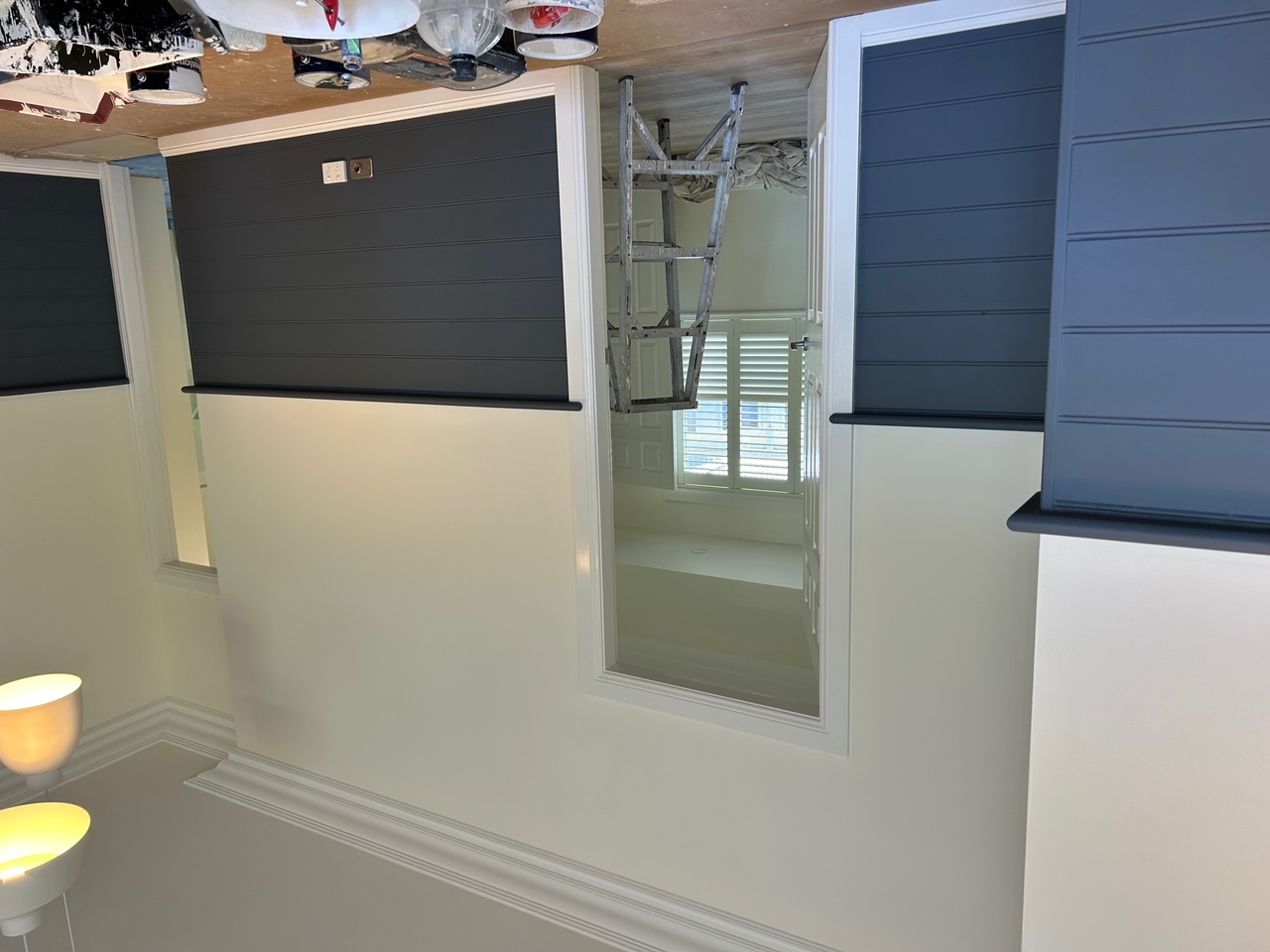
Interior wall, panelling and trim detail during site works.
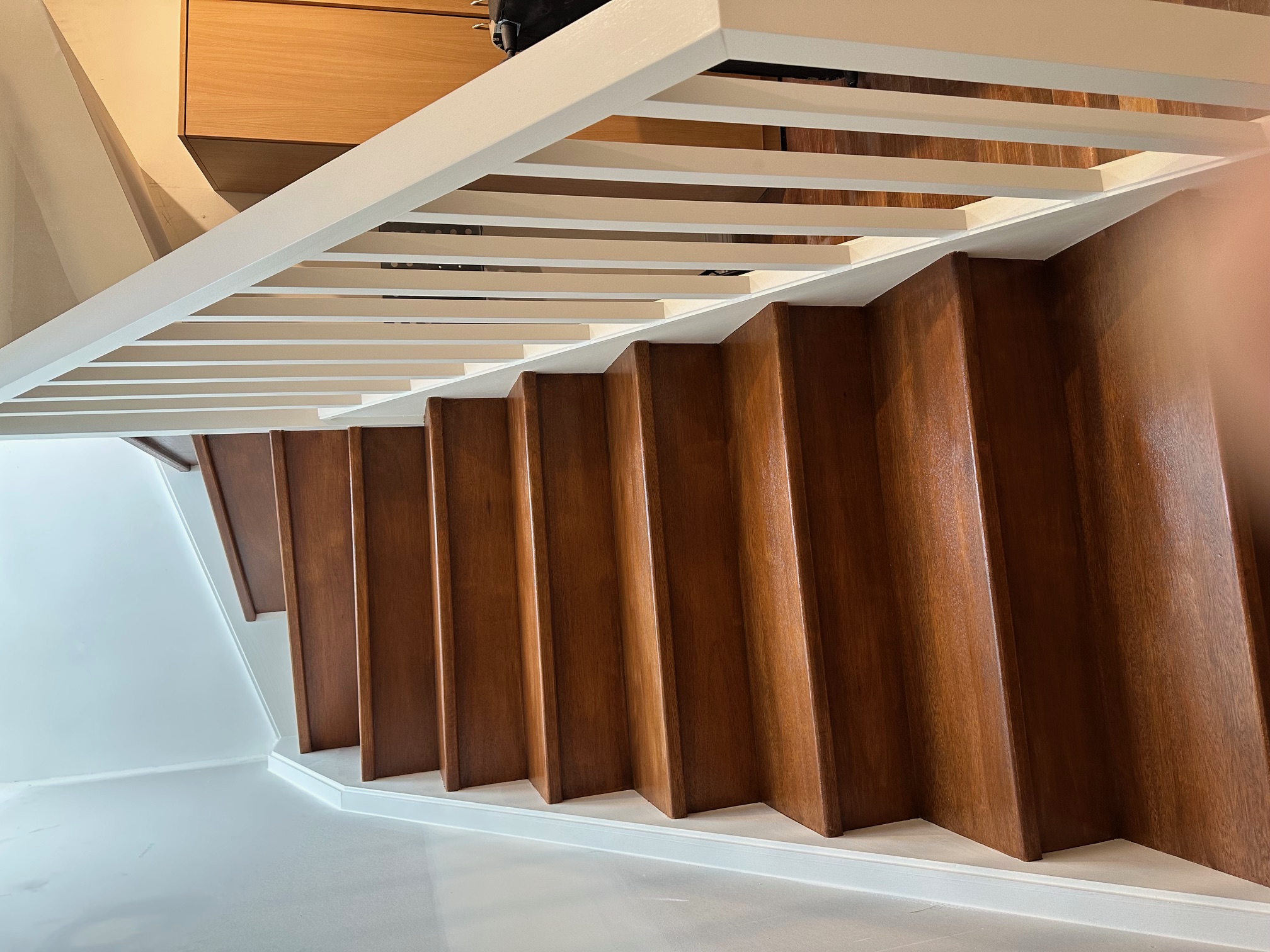
Timber staircase with painted balustrade and adjoining trim.
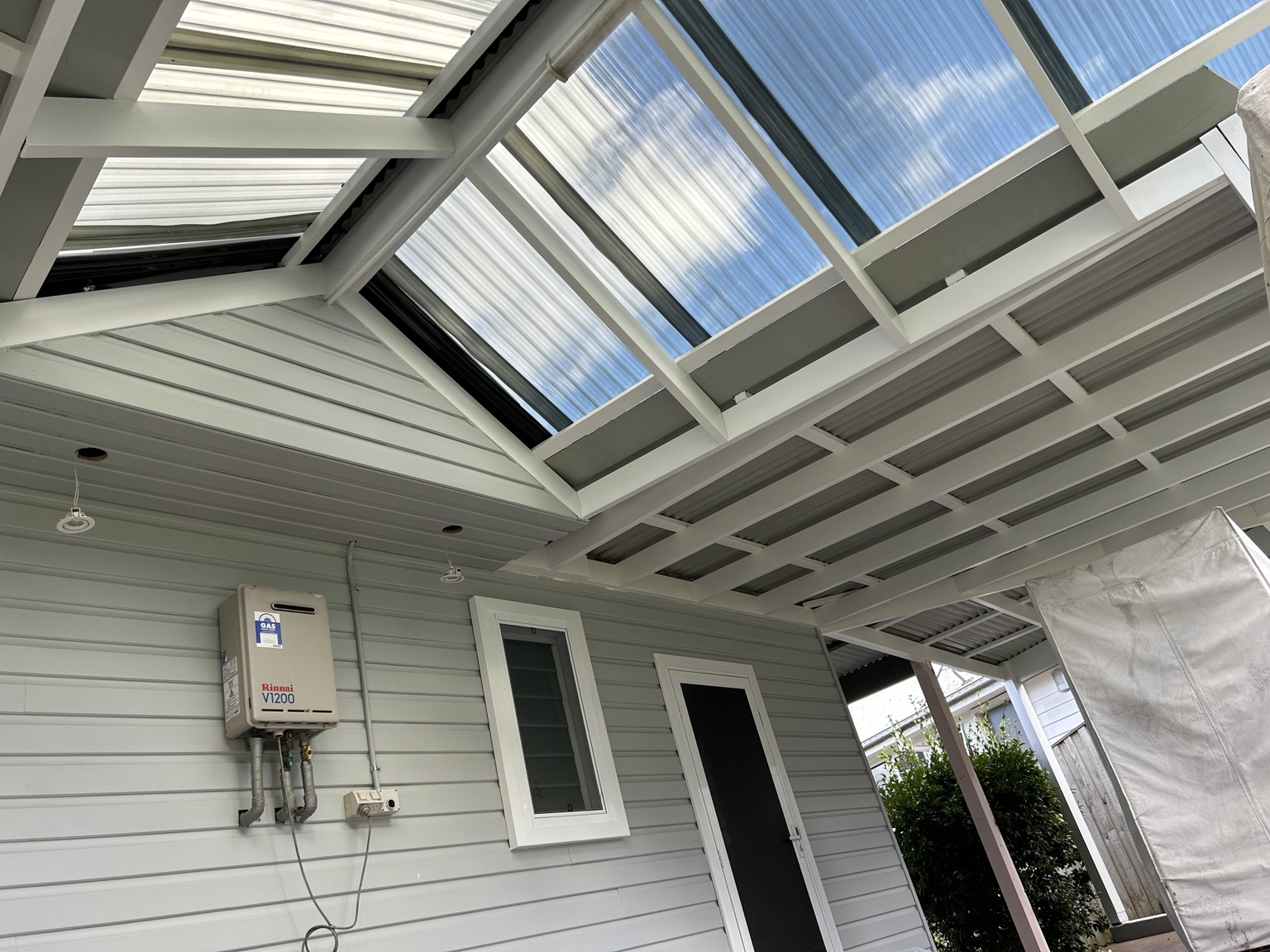
Exterior cladding, window surrounds and overhead framing during site works.
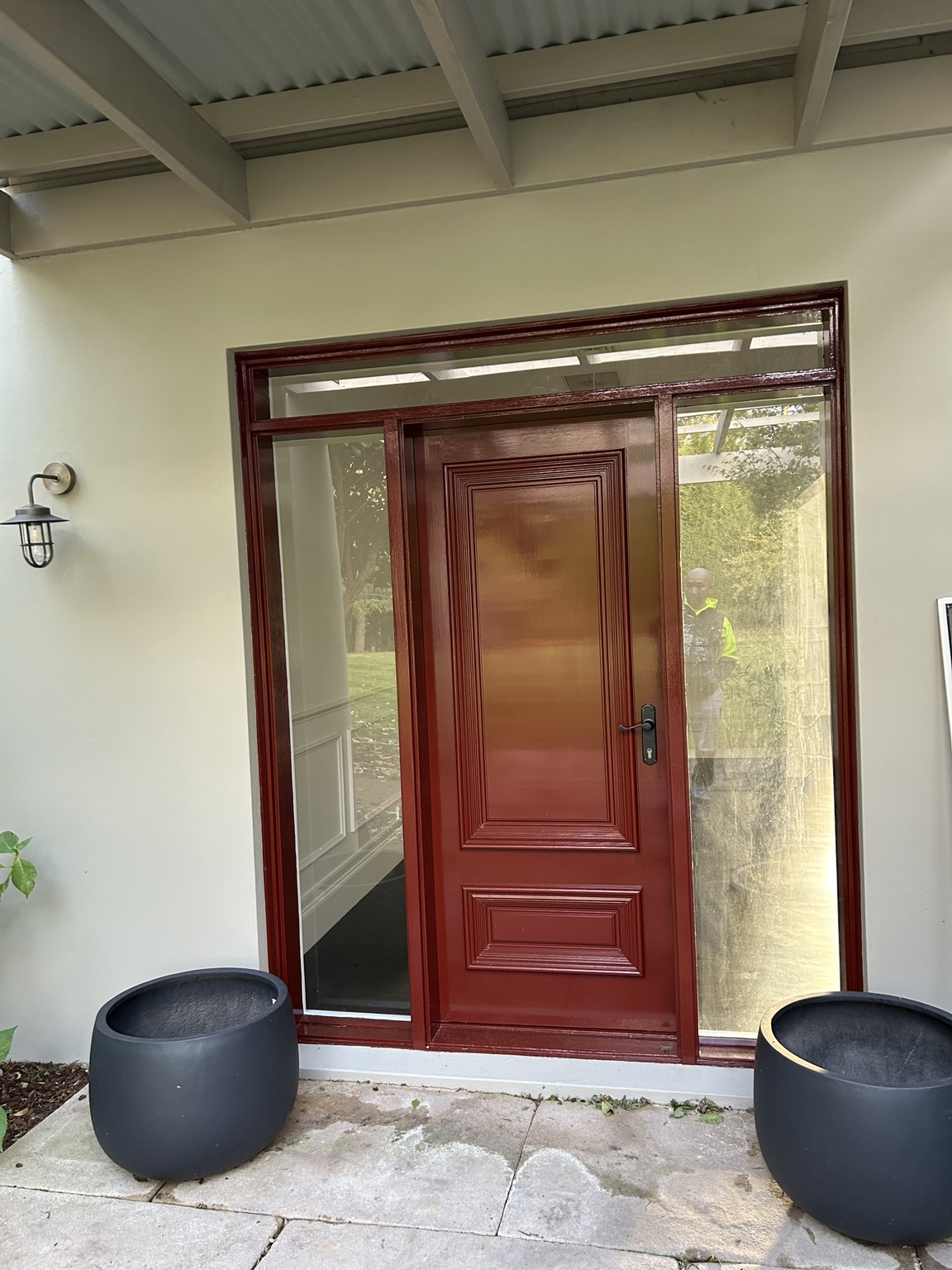
Panelled entrance door and surrounding frame detail.
Site photographs supplied by Shawn. Some show work in progress and are not final handover records.
First Choice Painting is led by Shawn, a hands-on painting contractor with nearly 20 years of painting and decorating experience, relevant TAFE training and many years of experience teaching project and construction management.
Shawn combines the practical judgement of an experienced tradesperson with the ability to plan, coordinate and complete painting works. He personally participates in site work, organises additional painters where needed and stays accountable for the agreed finish.
Experienced hands.
Clear responsibility.
From assessment to handover.
Serving Sutherland Shire, Bayside and Sydney’s Eastern Suburbs. Other Sydney locations considered according to project scope and travel requirements.
Share the suburb, scope and expected construction stage. Shawn can discuss the painting requirements and arrange the next step.
For a useful first discussion, please include:
The email button opens your email app. Add plans or photographs before sending.
Sutherland Shire · Bayside · Sydney Eastern Suburbs
Other Sydney areas considered according to scope and travel requirements.